

1win privacy begins with knowing what the operator collects, why it collects it, and where you can check the current rules yourself. This editorial reference describes the categories of information a casino platform typically gathers and the practical questions worth asking; confirm the live terms at 1win2027.com before relying on any detail. Nothing here replaces the operator's own policy, and features or requirements can change.
Contents
Understanding 1win privacy
Treat the privacy policy as a map of what the operator knows about you and how it moves that information. Read it before you register, not after a problem appears, because the document explains what you consent to when you create an account and use the service.

Look for the date the policy was last updated and whether the operator flags material changes. A clear policy names the data categories it collects, the purposes behind each one, and the choices available to you.
Pay attention to how the policy describes its legal basis for handling data, even if it uses plain language rather than formal terms. Many gambling operators process account details because they need them to run the service, and rely on consent or legitimate interest for other uses such as marketing.
The wording matters: if a purpose is vague, ask what it covers in practice. You are entitled to understand why a piece of information is needed before you hand it over.
Notice which parts of the policy apply to you as a player versus to visitors who only browse the site. The two groups can be treated differently, particularly around tracking technologies and marketing messages.
Check whether the policy distinguishes between registered customers and casual visitors, and whether it explains how it handles information from people who contact support. If a section feels unclear, the operator's support channel is the place to request clarification in writing.
Compare what the policy promises with what the platform actually asks for during sign-up and verification. If the policy says certain data is optional but the form will not submit without it, that gap deserves a question.
Keep a copy of the policy version you agreed to, since later revisions may change how your information is used. Screenshots with dates are simple evidence if a dispute arises about what you were told.
Finally, remember that privacy rules vary by jurisdiction, and the policy should tell you which regulator or authority oversees the operator's handling of personal data. Search the document for complaint routes and response timelines.
If the policy lacks a clear contact point or omits how to escalate a concern, treat that as a warning sign and seek independent advice before sharing sensitive details. Current terms always take precedence over any summary.
Account and Transaction Data
When you open an account, the operator typically asks for identifying details such as your name, date of birth, address, and contact information. These support age checks, identity verification, and account security. Expect the policy to explain whether verification documents are stored, for how long, and who reviews them.

Practical check: confirm what happens to copies of identity documents after verification and whether you can request deletion once legal obligations end. The policy should say this plainly rather than leave it to guesswork.
Transaction records are a core part of any gambling account, and the policy usually covers deposits, withdrawals, and the history attached to them. The operator may keep records to meet anti-money-laundering rules, resolve disputes, and produce statements you request.
Ask whether payment details are stored in full or masked, and whether the policy explains which payment partners receive information. A useful test is to find the sentence describing how long transaction records are retained and what triggers earlier deletion.
Your account activity itself, such as login times, bet history, and support conversations, may be logged alongside financial records. The policy should distinguish between data needed to operate your account and data used for marketing or profiling.
Look for a statement about whether automated tools assess your activity and what effect that has. If the policy mentions profiling without explaining its consequences, request a written explanation of how it affects your account and your options.
Correction rights matter as much as collection. Check how to update inaccurate personal details, such as a changed address or phone number, and whether the operator confirms the change.
The policy should also tell you how to request a copy of your account data and how long the operator takes to respond. Keep your own records of requests and replies. If a correction is refused, the policy ought to explain the reason and the route to challenge the decision.
Security commitments belong in this section too. Look for how the operator protects account and payment data, whether access is restricted internally, and what you are expected to do to keep credentials safe.
The policy should describe breach notification in general terms without promising outcomes it cannot guarantee. Confirm current retention periods and your rights in the live policy, since these details change, and raise anything ambiguous with support before you rely on it.
IP Addresses and Device Information
When you connect to the service, the operator can see your IP address, and that address is a practical clue about how you reached the site. It can indicate your general region, your internet provider, and whether your connection looks unusual compared with earlier visits.
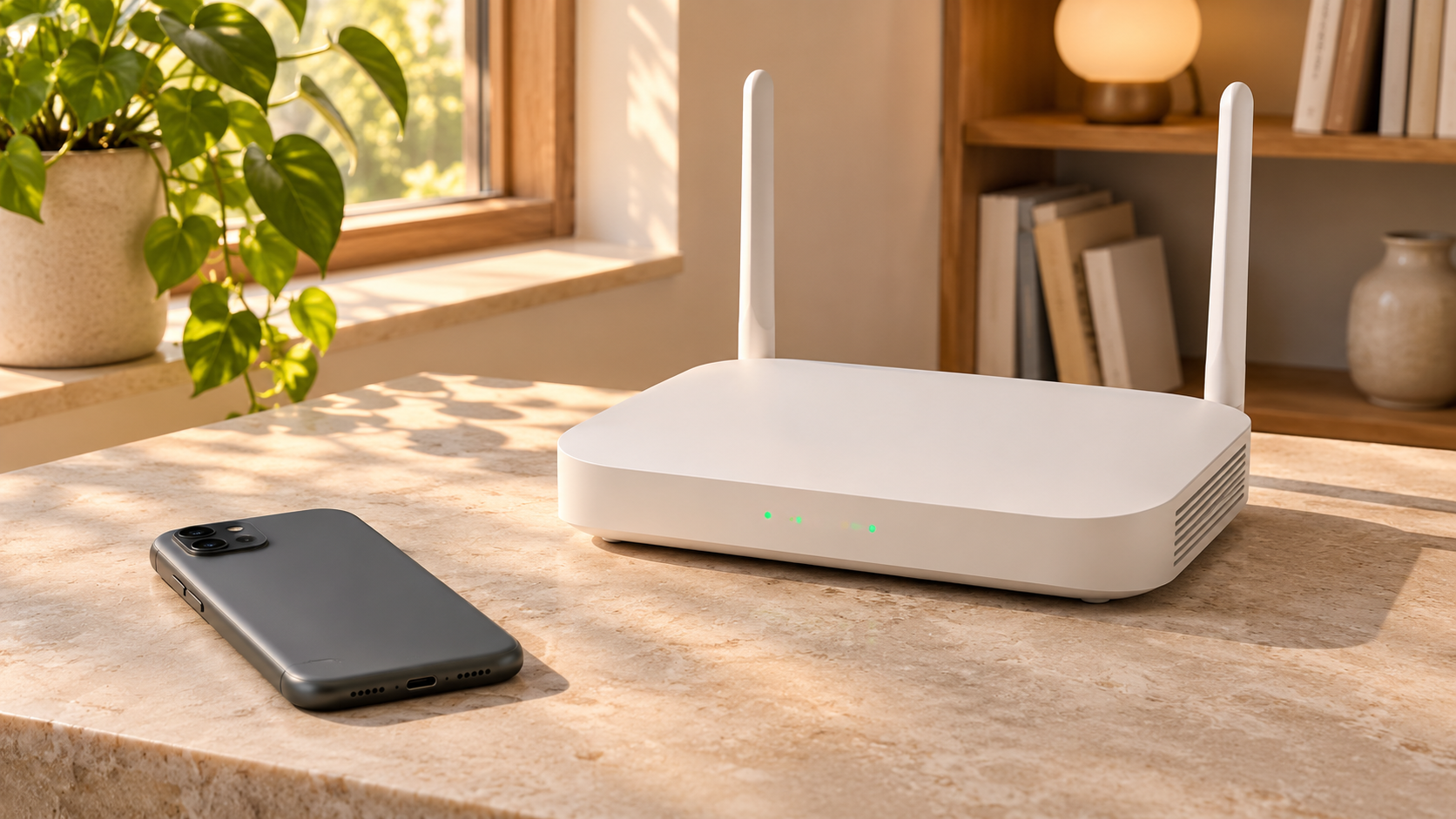
This information helps the operator run the platform securely, investigate suspicious activity, and confirm that access is being handled consistently. Because an IP address can change between sessions, treat it as one signal among several rather than as a permanent identifier. If you want to know precisely what is recorded and for how long, consult the current terms.
Device information typically includes the browser you use, its version, your operating system, screen size, language settings, and whether you are on a desktop or mobile device. The operator may also note the type of connection and basic performance data such as error reports or page load failures.
These details help make the site display correctly and help support teams diagnose problems when something does not work. They can also reveal patterns, such as repeated failed logins from one device, which may prompt additional verification. Check the current terms if you need the exact categories the operator collects.
IP and device data are often used together for fraud prevention and account protection. For example, if a login attempt comes from an unfamiliar location shortly after a session elsewhere, the operator may ask you to confirm your identity or temporarily restrict activity. That is a security measure, not an accusation.
It is reasonable to keep your browser and operating system updated, avoid shared devices for account access, and sign out when you finish. If you notice unfamiliar device activity, change your password and contact support through the official channel listed in the current terms.
You may have some control over what device information is shared. Browser settings can limit certain details, and privacy-focused tools can mask your IP address. Be aware that blocking too much information can make security checks harder and may lead to extra verification steps.
The operator generally needs enough technical data to distinguish legitimate users from automated abuse. If you use a virtual private network, expect that the operator may treat the connection differently. For the precise rules on what is required, refer to the operator's current terms rather than relying on general guidance.
Practical checks are straightforward. Review your browser's privacy and security settings, confirm which extensions can read page data, and keep your device software current. If you use a shared computer, clear your session and avoid saving passwords.
When you contact support about a device or connection issue, share only what is needed to resolve the problem. Remember that technical data can change as you move between networks, so a single unusual IP address is not proof of anything by itself. The operator's current terms describe how such data is handled.
Cookies and Browsing Data
Cookies are small files a site stores in your browser to remember settings and activity between pages and visits. On a casino platform, they commonly keep you signed in, preserve language and display preferences, and support security features such as detecting unusual session changes.
Some cookies are essential for the site to function, while others support analytics or marketing. Browsing data can include the pages you view, the buttons you click, and how long you spend on particular screens. The operator's current terms and cookie notice describe the categories in use, so check them for the authoritative list.
Session cookies usually expire when you close the browser, while persistent cookies remain for a set period unless you delete them. Essential cookies may be required for login and payment flows, and disabling them can prevent parts of the site from working.
Analytics cookies help the operator understand which features are used and where errors occur, while marketing cookies may track whether an advertisement led to a visit. You can usually manage cookies through your browser settings, and many browsers let you block third-party cookies separately. For the operator's specific cookie categories and durations, consult the current cookie notice.
Browsing data may also include referral information, such as the page that led you to the site, and basic interaction events used to improve navigation. This can help the operator test changes, fix broken links, and measure whether features are easy to find.
It is distinct from account and transaction records, which relate to your registration and activity. If you clear cookies, you may be signed out and lose saved preferences, and some security checks may prompt you to verify again. Weigh convenience against privacy when deciding what to keep.
Consent rules vary by region, and the operator may present a banner or settings panel that lets you accept or reject non-essential cookies. Where consent is required, rejecting optional cookies should not block essential functions, though it may reduce personalization.
Keep in mind that blocking all cookies can make the site harder to use and may trigger additional verification. If you are unsure which cookies are necessary, review the cookie notice before changing settings. The current terms and cookie notice are the best source for how consent is recorded and how you can withdraw it later.
Practical steps help you stay in control. Review cookie settings periodically, clear stored data on shared devices, and use private browsing when you do not want a lasting session. If you suspect tracking you did not agree to, contact support through the official channel and ask how to adjust your preferences.
Remember that cookies and browsing data support both convenience and security, so removing them entirely has trade-offs. For retention periods, categories, and your choices, rely on the operator's current terms rather than assumptions.
Service Providers and Data Sharing
When you use a gambling platform, your personal details rarely stay in one place. Operators typically rely on outside companies for hosting, payment processing, identity verification, customer support, and the games themselves. Each of these relationships can involve some transfer of account or activity data.
The operator’s privacy notice should explain which categories of recipients receive your information and for what purpose. Read that section closely, because broad wording such as “trusted partners” tells you little unless it names the kinds of services involved.
Game providers are a common example. To run a casino title inside the platform, the software supplier may need to know whether your account is active, whether a session is valid, and what happened during play.
Some suppliers receive only technical signals, while others may receive identifiers linked to your account. The notice should make this distinction clear. If you cannot tell whether a provider sees your name, your balance, or only a session token, treat that as a gap worth raising with support before you deposit.
Payment and verification partners also handle sensitive material. Banks, card networks, e-wallet companies, and identity-checking services may receive transaction references, account details, or documents you upload. The operator should state the purpose, such as fraud prevention or legal compliance, and should confirm that recipients are bound by confidentiality obligations.
Look for language about transfers outside your country, because different jurisdictions offer different levels of protection. A vague statement that data “may be shared with authorities or partners” is not enough to judge risk.
Marketing and analytics suppliers deserve separate attention. If the platform uses advertising networks or measurement tools, those companies may receive device signals or hashed identifiers. The notice should say whether you can opt out and whether sharing is based on consent or another lawful basis.
Check whether the policy distinguishes between sharing required to deliver the service and sharing used for promotion. That difference affects your choices. Where the text is silent, ask support to confirm the categories of recipients rather than assuming the narrowest reading.
Practical checks help here. Confirm whether the policy lists recipient categories rather than named companies, and whether it explains what happens if a supplier changes. Look for a contact route for privacy questions and a stated process for responding.
If the operator says it shares data to comply with law, the notice should describe the types of requests it handles. None of this guarantees fair handling, but a specific, current notice is easier to assess than a short paragraph that leaves recipients undefined.
Checking Retention and Your Choices
Retention is the question of how long the operator keeps your information. A useful notice states retention periods or the criteria used to set them, such as the length of your account relationship or legal record-keeping duties. Without that, you cannot tell whether data disappears after closure or lingers for years.
Read the retention section alongside the account-closure rules, because closing an account does not always erase records. Where periods are described only as “as long as necessary,” ask support what that means in practice for your account type.
Your choices usually fall into several groups. You may be able to access a copy of your data, correct errors, request deletion, restrict certain processing, or object to marketing. The notice should explain how to make each request and what evidence the operator needs to verify your identity.
It should also say whether any choice is limited by legal obligations, such as anti-fraud or record-keeping rules. Check whether requests are free and how long a response normally takes. If the policy does not mention a route, that is a reason to contact support directly.
Cookie controls sit alongside these rights. Most platforms let you adjust browser settings to block or delete cookies, though essential cookies may be needed for login and security. The notice should distinguish essential from optional cookies and explain how consent works where it applies.
If you withdraw consent for optional cookies, confirm whether that affects site features. Remember that clearing cookies on one device does not change settings on another, and that some choices may need to be repeated after you clear browser storage.
Account closure and marketing preferences are separate levers. Closing your account should stop active marketing, but the operator may still keep records for legal or dispute purposes.
Ask whether you can unsubscribe from promotional messages without closing the account, and check whether preferences apply across email, SMS, and in-app notices. If you request deletion, ask what will be removed and what will be retained, and get the answer in writing where possible. That record helps if your circumstances change later.
Before relying on any feature, verify the current terms, because operator practices and eligibility rules change. Read the privacy notice as it stands today rather than an older copy, and keep a note of the version date.
If something is unclear, ask support to point you to the relevant clause. Gambling is for adults aged 18+ only. A random number generator (RNG) determines outcomes in RNG-based casino games. Wins are not guaranteed.
Independent support: Gambling Therapy.